Conservation, community and adventure
What do Greater Gliders, wombats, international friendships, tree planting, fireside conversations and wildlife surveys have in common? They were all part of the unforgettable experience of the Creating Glideways camp, held near Taralga, New South Wales in May this year.
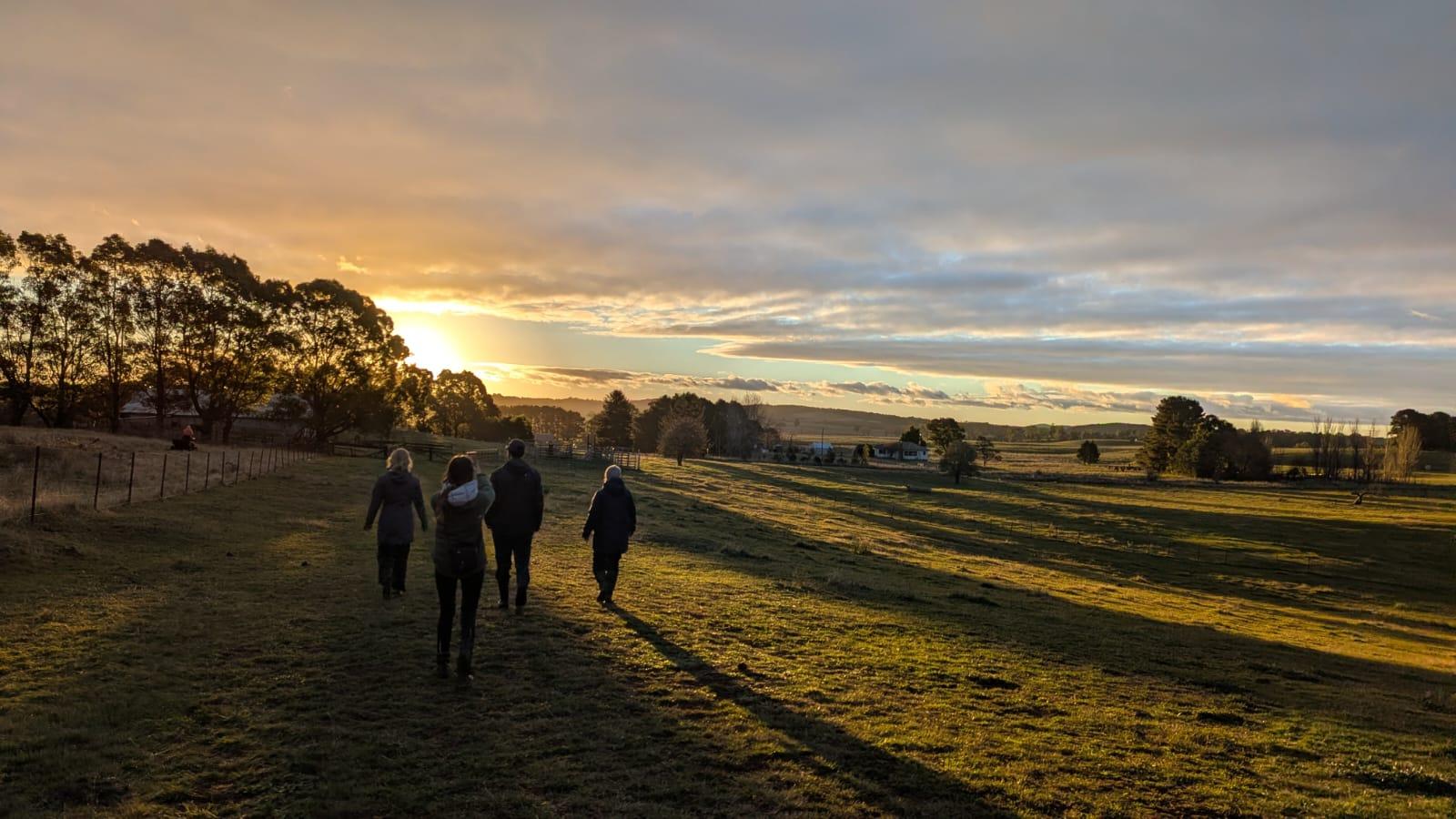
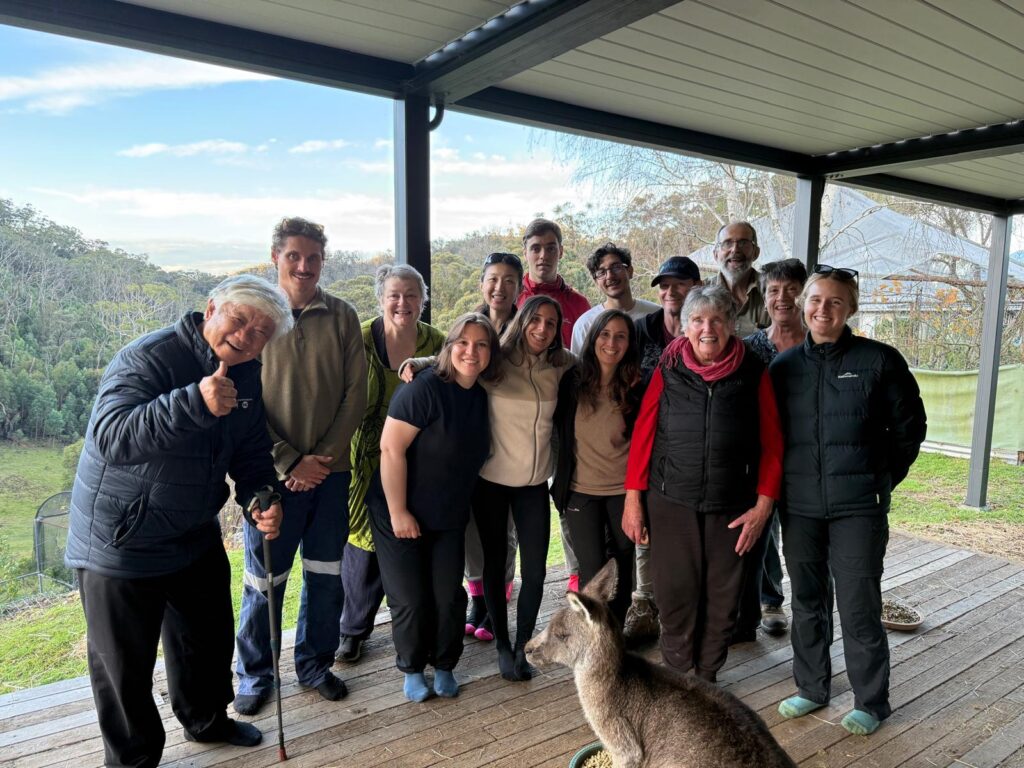
Over two weeks, volunteers from various parts of Australia as well as Spain, Russia, Hong Kong and France, came together to learn about conservation, contribute to habitat restoration, and experience life in a rural Australian landscape rich with wildlife and community spirit.
Volunteers were immersed in a unique blend of environmental learning and hands-on action. Guided by ecologists, conservation practitioners and local landholders, participants explored the challenges facing Australia’s native wildlife and discovered how ordinary people can make a difference.
Learning from experts
The Greater Glider is under threat due to fragmentation of habitat. They depend on connected forests, high canopy and hollow-bearing trees for survival.
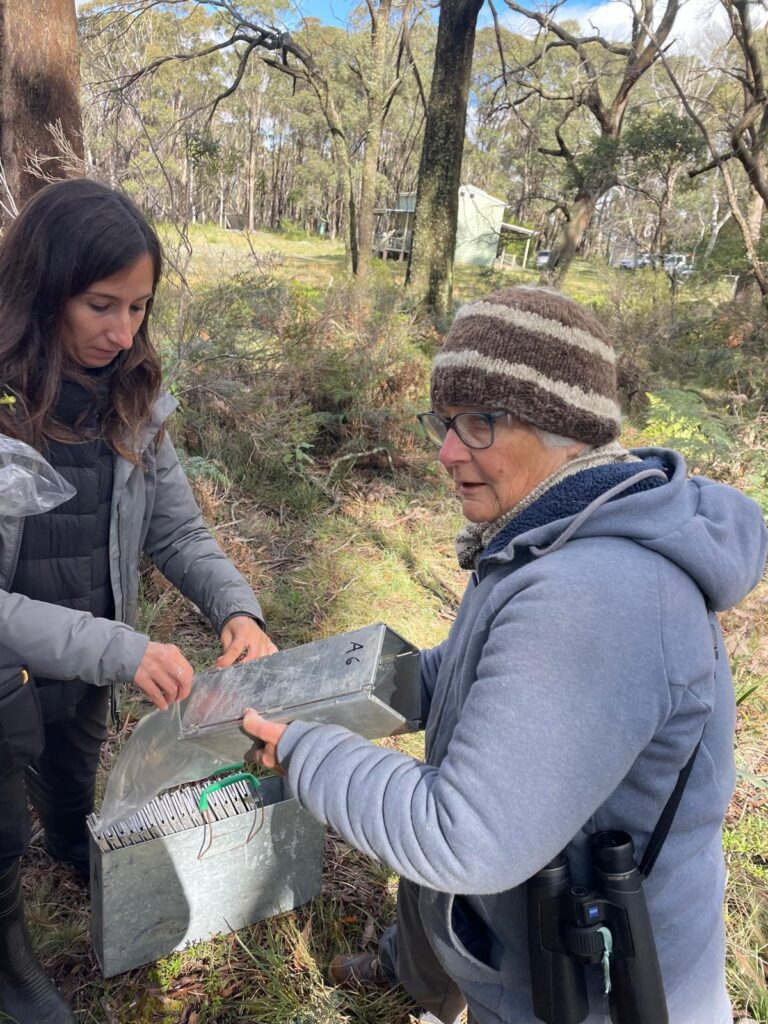
Volunteers received practical training in wildlife monitoring techniques, including camera trapping, Elliott traps, using binoculars, habitat assessments and small mammal surveys. They learned how scientists study biodiversity and how conservation decisions are made on the ground.
Wildlife encounters
The wildlife encounters alone made the experience unforgettable. During the first few days, participants were thrilled to spot kangaroos, wallabies, wombats, colourful birdlife and an echidna.
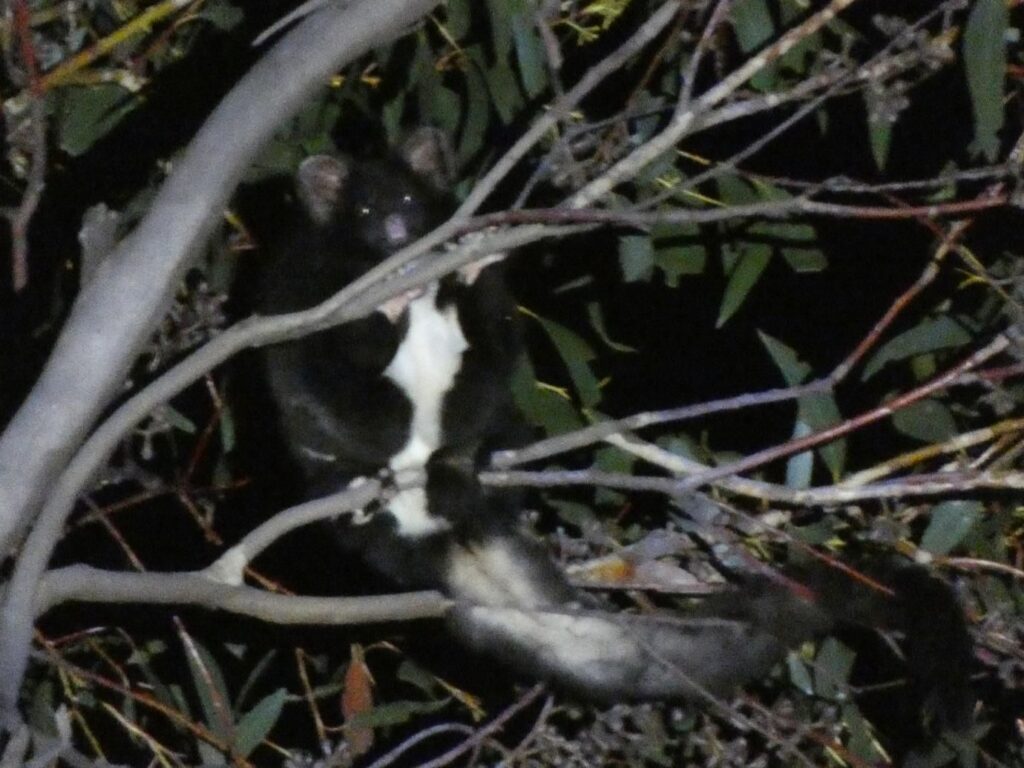
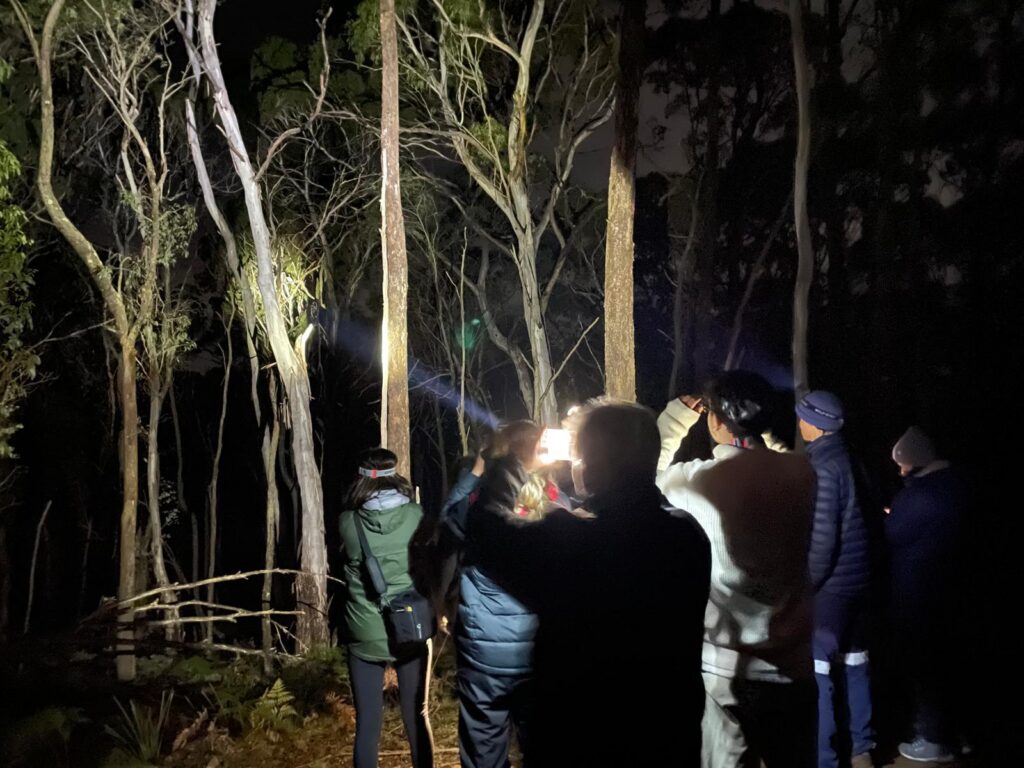
A lecture and slide show on Greater Gliders prepared them for the next days of activity. Night-time spotlighting adventures became a favourite activity, with volunteers wrapping themselves in multiple layers before heading into the forest to search for Greater Gliders. A healthy population of Greater Gliders was discovered in several locations. Seeing these remarkable nocturnal animals in the canopy was a powerful reminder of why habitat conservation matters.
Work that lasts
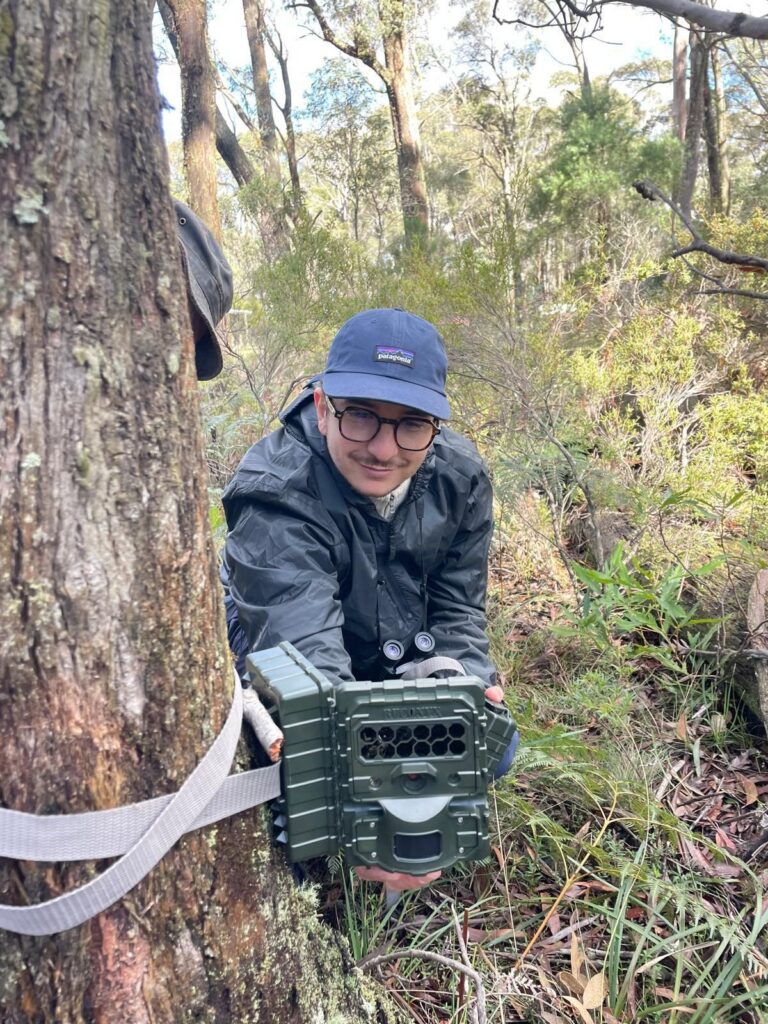
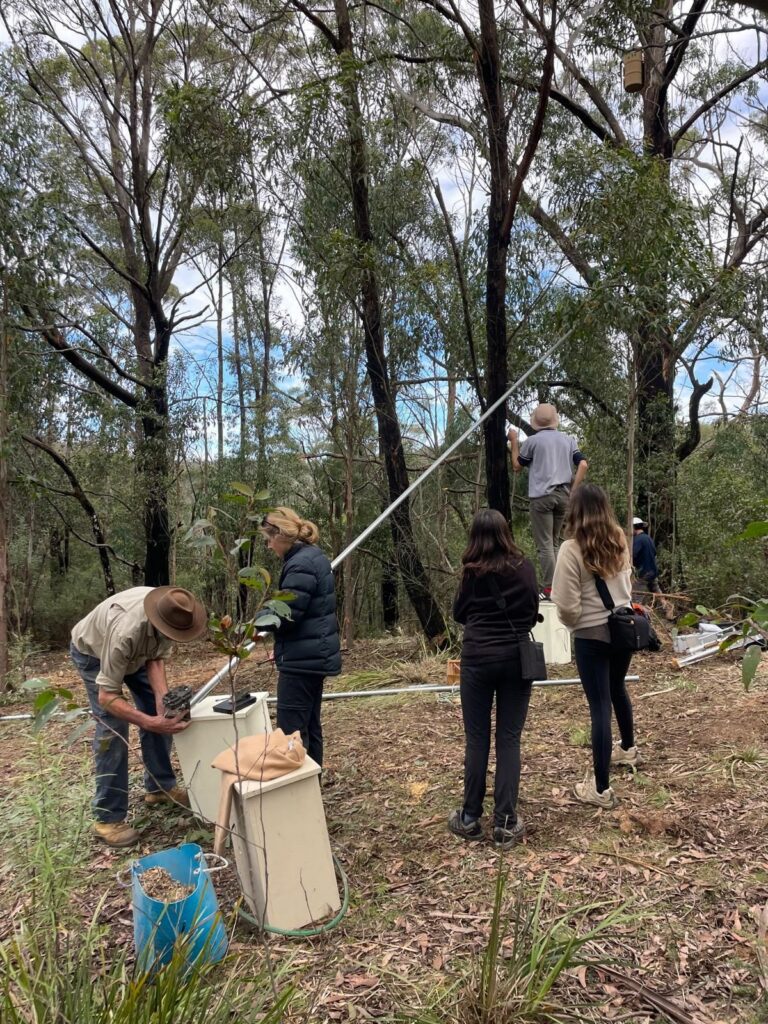
Volunteers planted trees to strengthen future wildlife corridors, assisted with habitat surveys, and worked alongside experts to install specialised nest boxes designed to provide shelter for Greater Gliders and other hollow-dependent species. Cameras were erected on high poles to catch activity at the nest boxes. Every task contributed to a larger vision of reconnecting habitats across the landscape.
Community life
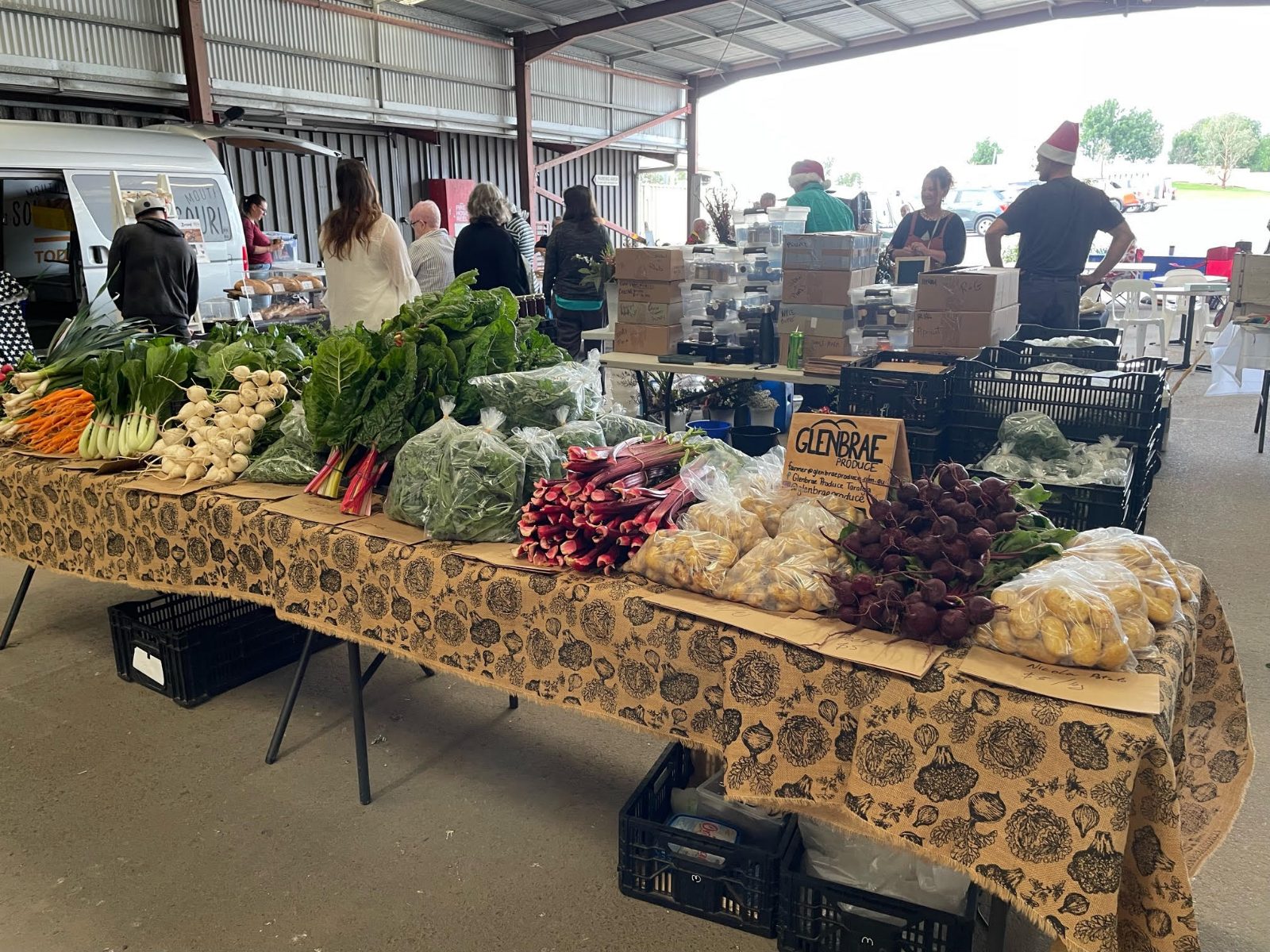
Beyond the conservation work, volunteers had opportunities to experience local community life. A visit to the Goulburn Farmers Market introduced participants to local producers and community initiatives, while a tour of the Goulburn Community Solar Farm showcased another inspiring example of grassroots environmental action. A trip to the spectacular Wombeyan Caves provided a well-earned break and the chance to explore one of the region’s natural treasures.
The people
Perhaps the most rewarding part of the workcamp was the people. Volunteers from different countries and backgrounds lived, cooked, learned and worked together for two weeks. Meals became opportunities to share cultures, stories and ideas. Evenings around the fire sparked conversations about environmental challenges, community action and life around the world.
Participants reflected on how much they valued the environmental knowledge they gained, the friendships they formed and the sense of purpose that came from contributing to a meaningful project.
As one volunteer observed, understanding conservation requires more than reading about it – it comes from spending time in the landscape, learning from experts, and working alongside others who care deeply about protecting it.
Join a workcamp
The Creating Glideways camp demonstrated the power of bringing together volunteers, scientists, landholders and local communities to address real environmental challenges. It was a chance to develop practical skills, deepen environmental understanding, meet like-minded people and experience Australia in a way that few tourists ever do.
If you’d like to spend time with inspiring people while making a positive difference, an IVP camp could be for you. Choose from hundreds of camps around the world on the SCI workcamp database.
Compiled by Doris Chow from the volunteers’ daily reports.